Welcome to oVRcome Academy
Learn how to deliver Virtual Reality Exposure Therapy with confidence, guided by experienced clinicians Kim Bullock, MD (Stanford University), Corrie Ackland, PhD (Sydney Phobia Clinic), and Andrea Kulberg, PhD, CEDS (Anxiety Experts). Build practical skills, improve client outcomes, and position yourself at the forefront of the future of mental healthcare.
- Accept referrals you’d otherwise decline
- More between-session practice with home VR
- Position your practice at the forefront of VR-assisted care
See what this means for your practice
Your clinician guides

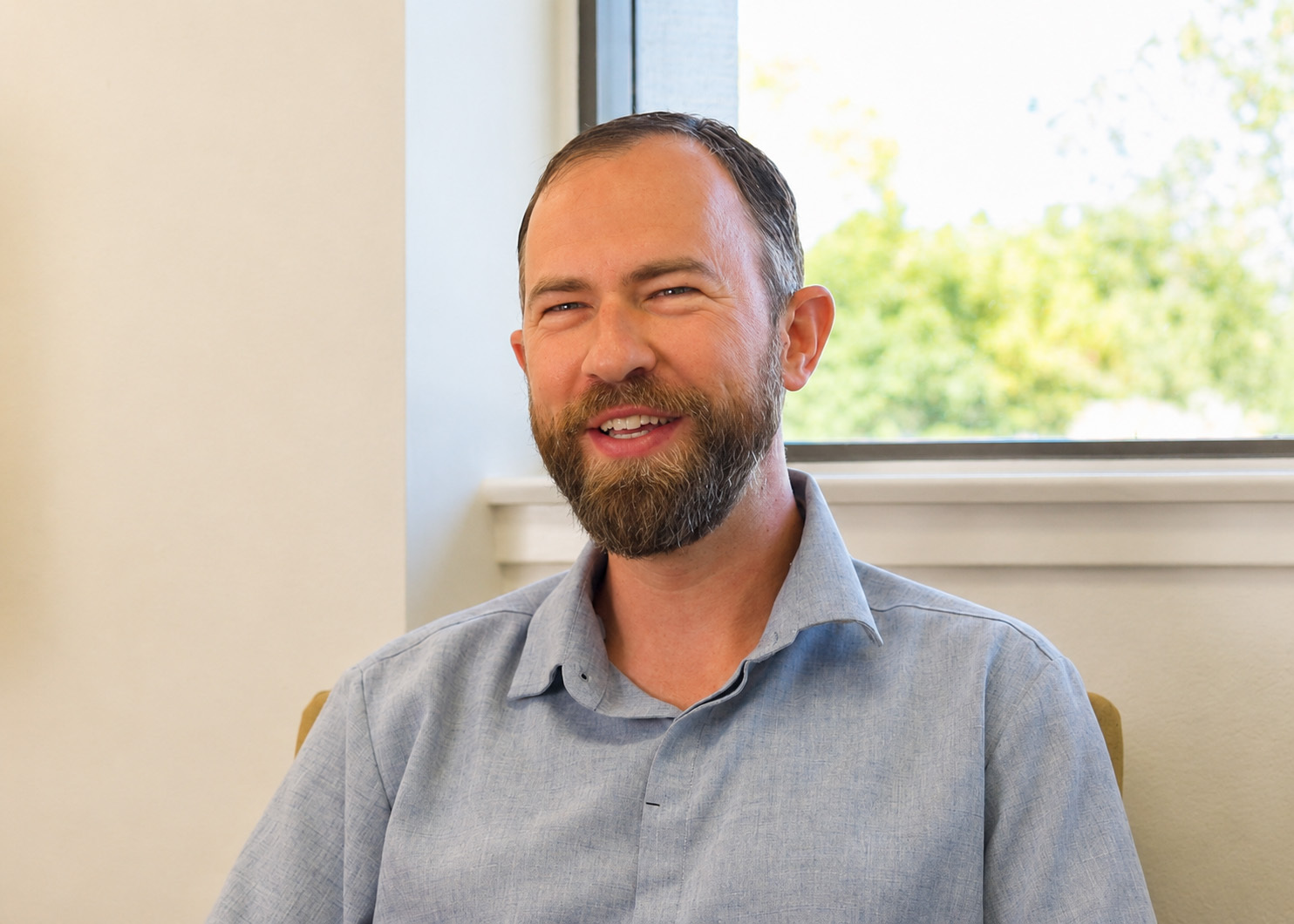
Kim Bullock, MD
Stanford University
Clinical Professor, Psychiatry & Behavioral Sciences, Stanford University
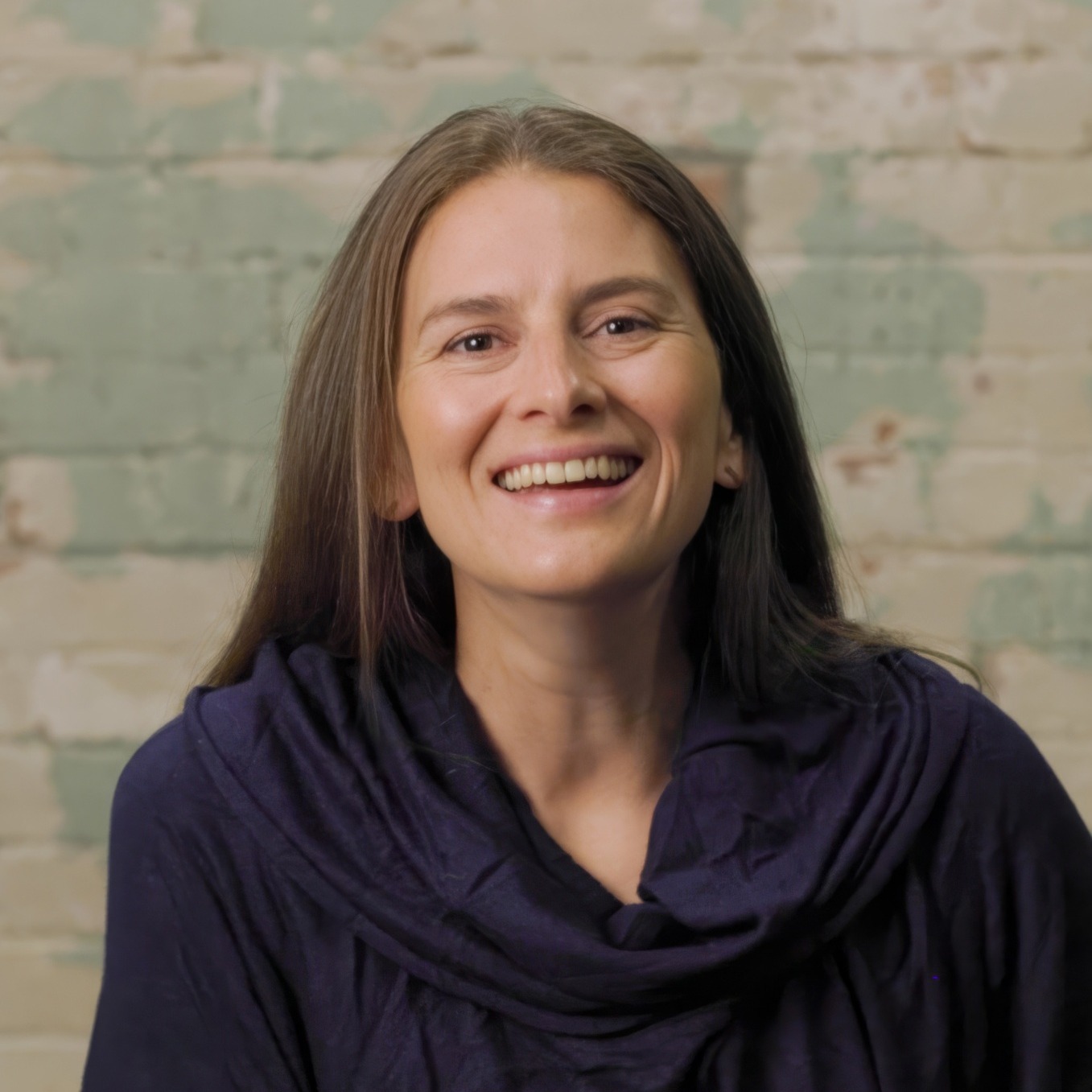
Corrie Ackland, PhD
Sydney Phobia Clinic
Principal Clinical Psychologist & Director, Sydney Phobia Clinic
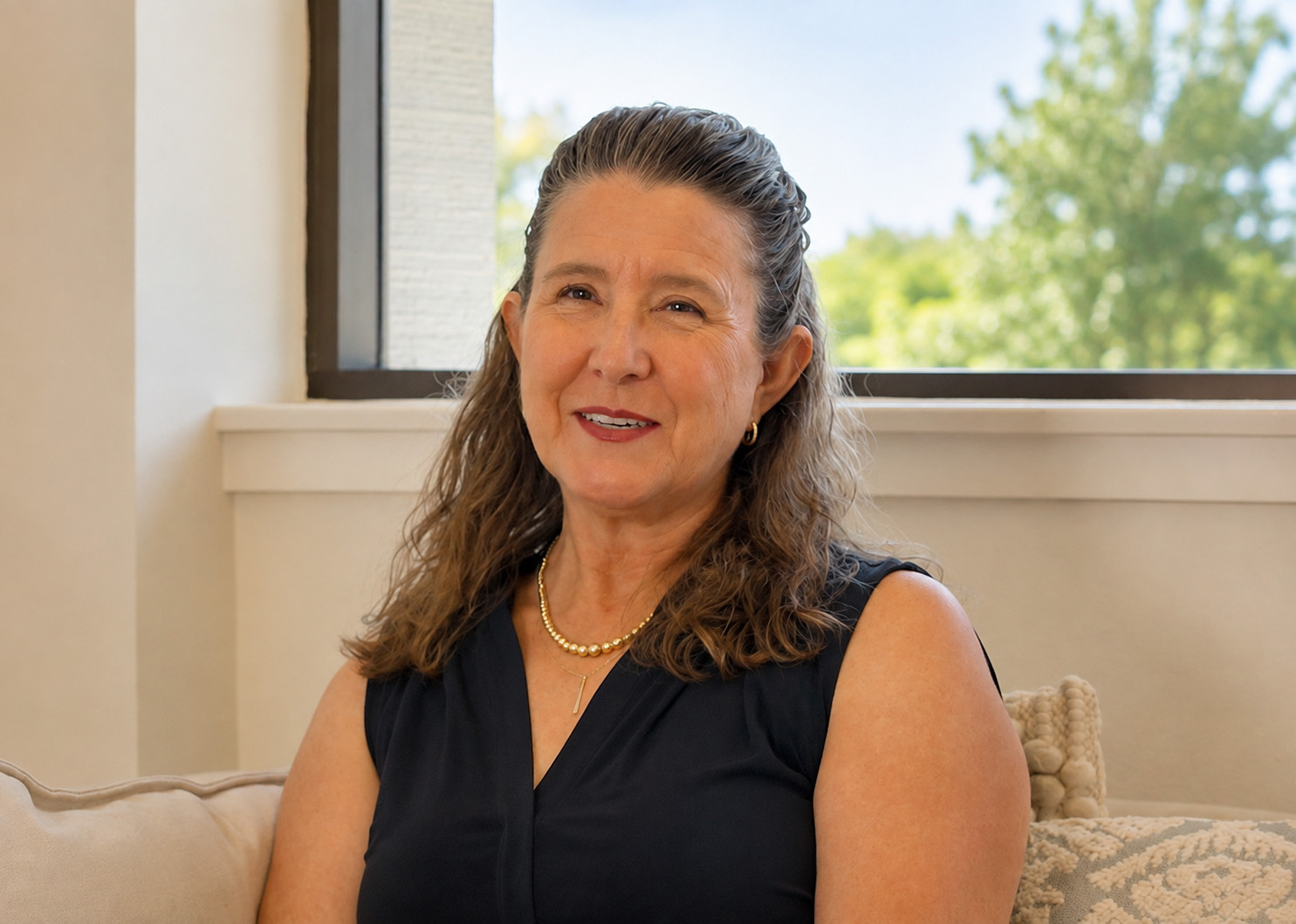
Andrea Kulberg, PhD, CEDS
Anxiety Experts
Clinical Director, Anxiety Experts
0 of 50 lessons completed · 66 mins remaining
Finish the Academy and register free for the oVRcome Clinician Portal to receive a complimentary smartphone VR headset.
Module 1
Foundations of Virtual Reality Exposure Therapy
Understand the what, why and evidence behind VRET
Welcome to the VR Exposure Therapy Academy
An orientation to the course, how it's structured, and what you'll be able to deliver by the end.
1:00Virtual Reality Therapy Isn't New: What Clinicians Should Know
The surprising decades-long history of VR in clinical care and why it's ready for mainstream practice now.
0:40· Kim Bullock, MDWhat Exactly Is VR Therapy, and How Does It Differ From Traditional Methods?
How VRET extends established models and overcomes the practical limits of traditional exposure.
1:28· Corrie Ackland, PhDWhat Are the Primary Benefits of Incorporating VR Into Therapy Sessions?
How VR optimises exposure therapy — richer hierarchies, remote practice, and stronger real-world transfer.
1:36· Corrie Ackland, PhDWhy Choose Virtual Reality Exposure Therapy?
The breadth of what VR can treat — across anxiety disorders and beyond — and why it's worth adopting.
1:30· Corrie Ackland, PhDVirtual Reality vs Imaginal Exposure: Differences & Benefits
Compare VR and imaginal exposure and learn where each approach delivers the most value.
1:39· Kim Bullock, MDWhat is the Evidence for Virtual Reality Exposure Therapy?
A tour of the research base for VRET across anxiety disorders, phobias and PTSD.
0:52· Kim Bullock, MDWhen Imaginal Exposure Isn't Enough (and how VR helps)
Recognise the clinical situations where imaginal exposure stalls and how VR can move treatment forward.
1:04· Kim Bullock, MDA Clinician’s Perspective on VR-Assisted Exposure Therapy
VRET gives clinicians realistic, repeatable environments that bridge the gap between imaginal work and exposures that are difficult to arrange in everyday practice.
0:36· Andrea Kulberg, PhD, CEDSWhat Makes Treating OCD Different From a Phobia?
Phobias centre on fear and avoidance of a stimulus, whereas OCD also involves intrusive thoughts and neutralising responses that must be addressed through response prevention.
0:58· Andrea Kulberg, PhD, CEDSModule 2
Delivering VR Exposure Therapy
Run confident, safe and effective sessions
How Do You Introduce a Client to Virtual Reality Exposure Therapy?
Practical framing that de-stigmatises anxiety and helps clients feel safe and motivated to try VR.
1:48· Kim Bullock, MDWhat Clients Would Benefit From Virtual Reality Exposure Therapy?
Why almost any exposure candidate — especially those who are stuck or unmotivated — can benefit from VRET.
2:12· Corrie Ackland, PhDHow Do You Set Up and Structure a VR Exposure Session?
How to structure a VRET session: rationale, where VR sits in the hierarchy, in-session skills and homework.
2:30· Corrie Ackland, PhDHow Do You Manage Motion Sickness in Virtual Reality?
Prevent and respond to cybersickness so it never derails a session.
1:04· Kim Bullock, MDIn What Cases Has Virtual Reality Made Exposure Therapy Easier or More Effective?
Real clinical examples where VR unlocked progress that other methods couldn't.
1:44· Kim Bullock, MDWhat if the Client Says Virtual Reality Doesn't Feel Real?
Techniques to build presence and immersion when a client is sceptical.
1:36· Kim Bullock, MDWhat Should Clinicians Do When Anxiety Spikes During Exposure?
Stay calm and therapeutic when distress rises mid-exposure.
1:16· Kim Bullock, MDScreening Clients for Exposure and VR
Client willingness is the main guide when considering VR, with additional orientation helpful for people who are less confident with technology.
0:42· Andrea Kulberg, PhD, CEDSBuilding ERP for Contamination: From First Step to Real-World Test
Contamination ERP starts with client-specific environments and distress ratings, then progresses through a regular hierarchy toward corresponding real-world tasks.
1:29· Andrea Kulberg, PhD, CEDSPreventing Hidden Compulsions and Reassurance-Seeking
Effective ERP requires clinicians to identify mental rituals and reassurance that can quietly neutralise uncertainty and undermine the exposure.
1:46· Andrea Kulberg, PhD, CEDSIntroduction to Wearables – Including the oVRcome Wearable
An overview of the wearable hardware used alongside VR exposure therapy, including the oVRcome wearable.
1:25The Difference Between a Dedicated Headset and a Phone Headset
How dedicated VR headsets compare with phone-based headsets for delivering exposure therapy.
1:41Module 3
Applying VR in Clinical Practice
Integrate VR into real-world treatment plans
How Do You Use Virtual Reality in Your Practice?
A window into how experienced clinicians weave VR into everyday care.
2:10· Kim Bullock, MDCan VR Therapy Be Integrated With Other Therapeutic Techniques?
Combining VRET with CBT, mindfulness and behavioural activation within one treatment plan.
1:30· Corrie Ackland, PhDHow Do You Choose Virtual Reality Environments and Progress Difficult Triggers?
Match environments to a client's hierarchy and step up intensity safely.
1:33· Kim Bullock, MDHow Does oVRcome Stand Apart From Other VRET Tools?
The clinician portal: a large content library, in-session and remote plans, and progress tracking.
1:24· Corrie Ackland, PhDCase Study - St Bede's College
Using VR to augment and scale wellbeing support services.
0:30Can Virtual Reality Support Behavioural Activation for Depression?
Explore emerging uses of VR beyond anxiety, including behavioural activation.
1:50· Kim Bullock, MDIs Virtual Reality Exposure Therapy Suitable for My Practice?
Why VR is accessible for any therapist to adopt — and how to get started without a big outlay.
1:36· Corrie Ackland, PhDHow ACT and Inhibitory Learning Change Exposure Design
ACT and inhibitory learning shift the aim from eliminating anxiety to helping clients behave effectively while anxiety and uncertainty are present.
0:37· Andrea Kulberg, PhD, CEDSHelping Clients Transition to Real-Life Exposure
Repeated, graduated VR practice can lower the barrier to in-vivo exposure by rehearsing the steps and uncertainties a client will later face in real life.
1:16· Andrea Kulberg, PhD, CEDSModule 4
Personalisation & Patient Experience
Tailor treatment and understand the client's view
Could AI Create More Personalised Exposure Triggers?
How AI could tailor exposure content to each client's unique fears.
0:35· Kim Bullock, MDWhat Clients Are Usually Worried About Before Trying Virtual Reality
Understand common client concerns so you can address them early.
1:06· Kim Bullock, MDWhat Patients Say After Using Virtual Reality for Exposure
Client reflections that reveal the real-world impact of VRET.
0:10· Kim Bullock, MDVRET Success Story: Fear of Flying
A detailed VR flying hierarchy helped a young client reduce airport distress, discover her own bravery and return to planning real flights.
2:20· Andrea Kulberg, PhD, CEDSVRET Success Story: Fear of Driving
Combining repeated VR driving environments with in-vivo practice helped a client return confidently to work as a cement-truck driver.
1:12· Andrea Kulberg, PhD, CEDSClient Outcomes and Engagement After Integrating VRET
The most important observed outcome is hope: clients gain a concrete between-session action that moves them toward the life and values they want.
1:13· Andrea Kulberg, PhD, CEDSModule 5
The Future of VR Exposure Therapy
Where the field is heading and your role in it
Where Are Clinicians Still Underusing Virtual Reality?
Identify the missed opportunities where VR could be helping more clients.
1:44· Kim Bullock, MDWhat's Still Blocking Clinicians From Using Virtual Reality?
The practical, financial and attitudinal barriers to adoption — and how to overcome them.
1:04· Kim Bullock, MDWhy Clinicians Need a Voice in the Future of VR and AI
Why clinical expertise must shape how VR and AI evolve in mental health.
0:52· Kim Bullock, MDWhat Role Will Generative AI Play in the Future of Exposure Therapy?
How generative AI could transform how exposure content is created and delivered.
0:54· Kim Bullock, MDWhere Virtual Reality Fits in the Future of Exposure Therapy
A clear-eyed view of VR's place alongside other exposure methods.
0:58· Kim Bullock, MDThree Ways Virtual Reality Can Support Exposure Therapy Delivery
Three concrete ways VR strengthens the delivery of exposure therapy.
1:27· Kim Bullock, MDWhy oVRcome Became the Main Virtual Reality Platform in Our Clinic
The clinical reasoning behind adopting oVRcome as a primary VR tool.
1:05· Kim Bullock, MDHow VR Fits a Broader Treatment Philosophy
VR supports a broader treatment strategy by making exposure available across intensive, outpatient and between-session care.
1:20· Andrea Kulberg, PhD, CEDSHow VRET Supports a Clinical Team in Delivering Care
Controlled virtual environments expand the clinical team’s options for remote, sensitive and otherwise difficult-to-stage exposure work.
1:49· Andrea Kulberg, PhD, CEDSThe Operational Impact of VRET on Clinical Practice
A predictable demonstration, headset link and next-session plan creates a smooth operational pathway with little preparation for clinicians or clients.
0:52· Andrea Kulberg, PhD, CEDSAdvice for Practice Owners Considering VR
Practices delivering remote therapy need an equally practical way to deliver exposure, particularly for sensitive or difficult-to-stage OCD themes.
2:17· Andrea Kulberg, PhD, CEDSSupporting Connection and Collaboration Between Clinicians
Responsive support and a clinician community help practices compare notes, request relevant environments and improve how VR is used in care.
0:42· Andrea Kulberg, PhD, CEDSWhat Drew Our Practice to oVRcome
Realistic environments, rapid responses to clinical requests and opportunities for clinician collaboration made the platform worth adopting across the practice.
0:50· Andrea Kulberg, PhD, CEDSClinician case studies
How clinicians are using VR in practice
Optional, in-their-own-words accounts alongside the core curriculum.